
computer vision solutions · custom AI solutions · AI automation services
Computer Vision Use Cases in Security Systems
By TechVerseo Editorial · February 26, 2026
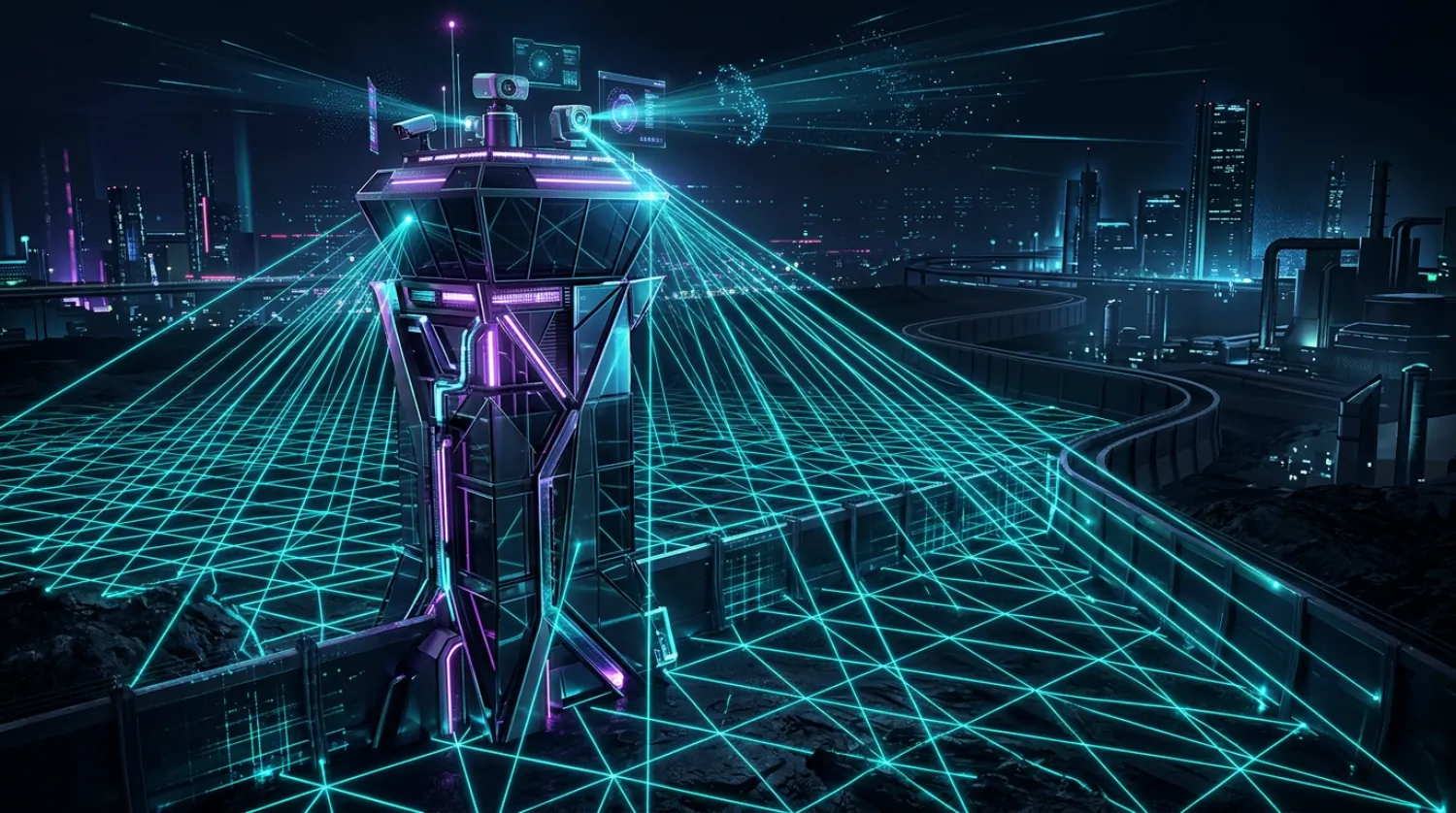
Computer vision use cases in security systems range from access control and perimeter monitoring to forensic review and compliance evidence. Buyers should evaluate not only model accuracy but also privacy posture, false alarm economics, and operator workflows—because a noisy system gets muted, and muted systems do not protect anyone.
High-value use cases with clear operators
- Perimeter intrusion detection with site-specific calibration to reduce wildlife false positives.
- Tailgating detection at turnstiles paired with policy-driven alerts.
- After-incident review: rapid retrieval of relevant clips with object and region metadata.
- Occupancy and safety analytics in industrial environments (PPE detection where appropriate and lawful).
Governance questions to ask before you deploy cameras + models
Retention periods, access controls, and jurisdictional rules matter as much as F1 scores. Security teams need audit trails: who viewed which clip, when, and why. If you operate across regions, legal review is not optional. We treat industry constraints as first-class requirements, not paperwork.
Why computer vision solutions need a systems mindset
Cameras, encoders, edge compute, bandwidth, and VMS integrations define the real system. A model benchmark on a clean dataset is insufficient. Read our vision security case study for an architecture narrative and outcomes framing.
Computer vision in security: performance vs operator trust
Precision/recall tradeoffs are not purely technical—they are economic. If operators lose trust due to false alarms, they will ignore true positives. That is why field calibration, site-specific thresholds, and feedback loops from operators matter as much as model architecture.
Security leaders should also plan for model updates: what is the change management process when a new version ships? How do you validate improvements without opening a window of regressions? A disciplined release process is part of what separates durable computer vision solutions from one-off pilots.
Conclusion: ship for operators, not for demos
If you are evaluating computer vision solutions for physical security, talk to TechVerseo about a pilot plan with explicit acceptance metrics and runbooks your SOC can trust.
Work with TechVerseo
Ready for AI automation, SaaS delivery, or computer vision in production? Tell us about your roadmap—we will respond with a clear next step.