
SaaS
SaaS CRM platform
Composable CRM kernel for multi-brand GTM teams with workflow automation.
Problem
Each brand re-implemented integrations; launches took months and duplicated compliance and security reviews.
Solution
We introduced a composable data model, a typed integration SDK, a workflow engine with human approvals, and tenant-aware analytics.
Process
How we moved from intake to production scale.
- 1
Domain modeling
Composable CRM kernel with tenant-aware entities and RLS patterns.
- 2
Integration SDK
Typed connectors, sandbox, and shared security review artifacts.
- 3
Workflow engine
Human approvals, async workers, and outbox for side effects.
- 4
Launch program
Playbooks for brand onboarding, analytics, and warehouse export.
Before vs after
Positioning snapshot—pair with metrics below for diligence.
| Before | After |
|---|---|
| Per-brand custom integrations | Typed SDK + shared compliance pack |
| 11-week median launch | 18-day median launch post-platform |
| Fragmented workflows | Human-in-the-loop automation engine |
Architecture (flow)
Tenant UI → BFF → domain services → Postgres (RLS) → async workers
Next.js apps → BFF → Nest services → Postgres (RLS) → outbox → async workers → warehouse export.
Tech stack
Results
Faster brand launches with shared compliance artifacts and less duplicate code.
18 days
Median launch
11 wks
vs prior
2×
Release cadence
- Median brand launch time cut from months to weeks
- Shared integration SDK reduced duplicate work
- Stronger tenant isolation and audit posture out of the box
Median launch 18 days vs 11 weeks · 2× release cadence
Screenshots
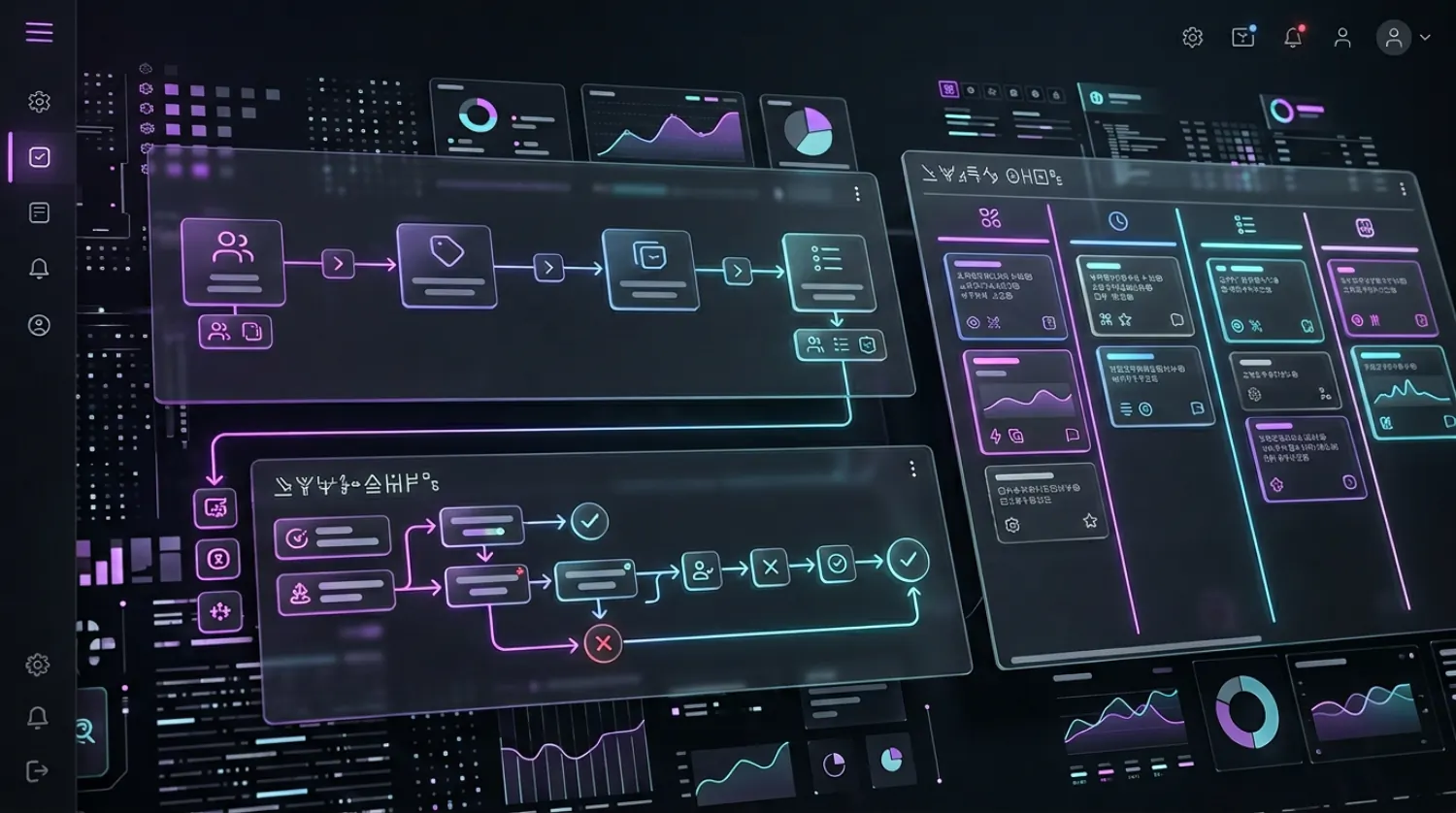
Illustrative product and analytics surfaces—swap for client-branded assets when sharing externally.

Related case studies


Get a similar solution
Share constraints—we'll mirror architecture, stack, and rollout patterns.